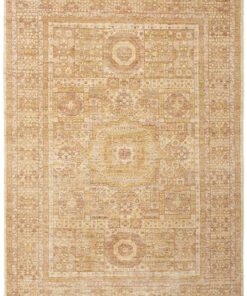
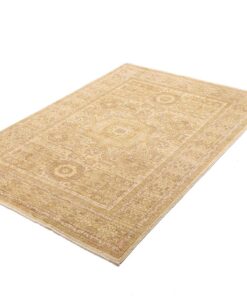
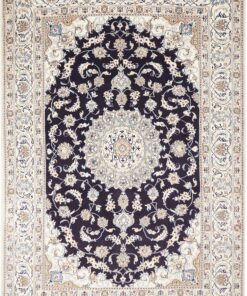
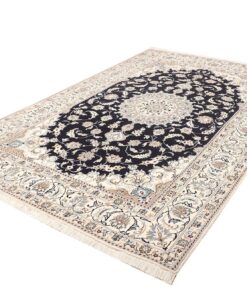
Find the Perfect Rug for Your Home
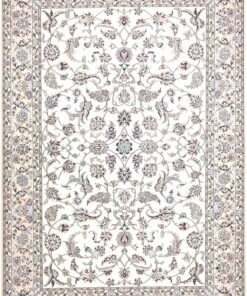
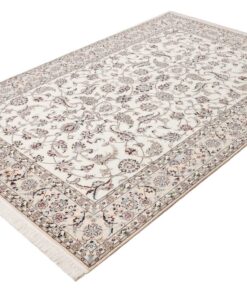
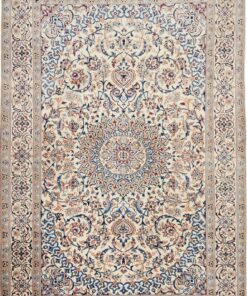
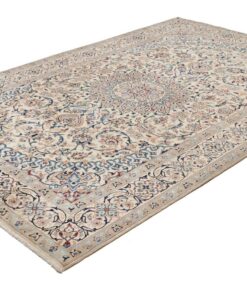
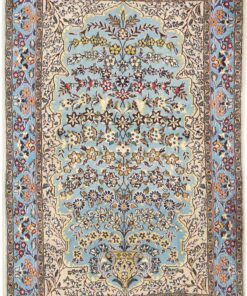
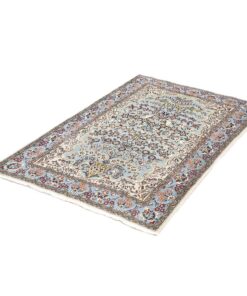
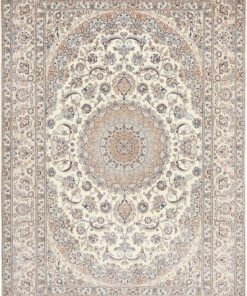
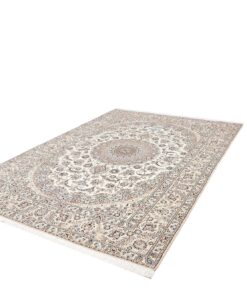
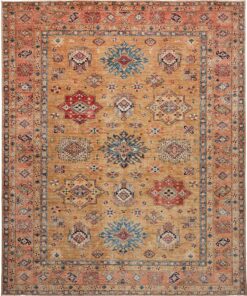
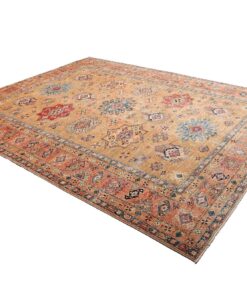
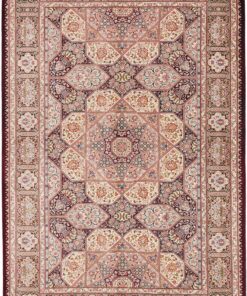
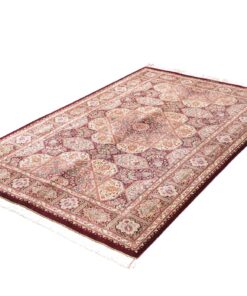
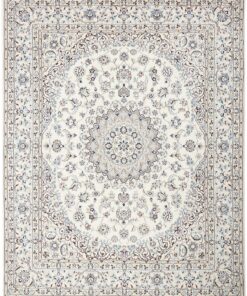
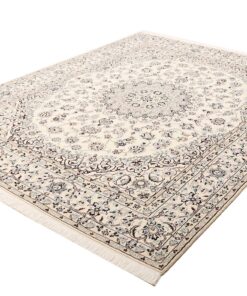
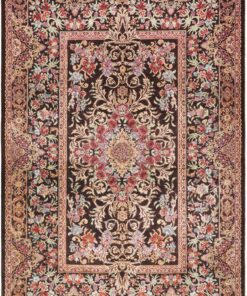
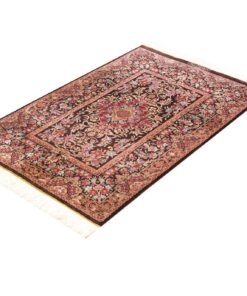
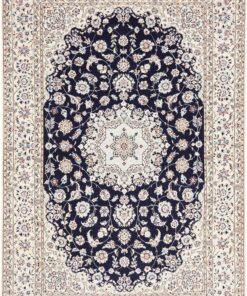
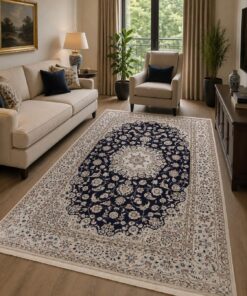
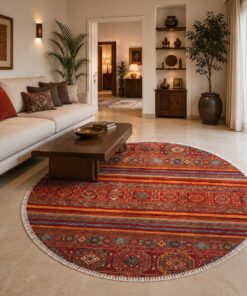
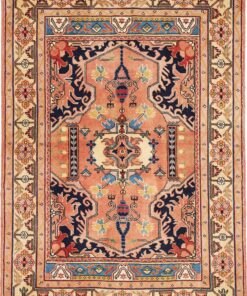
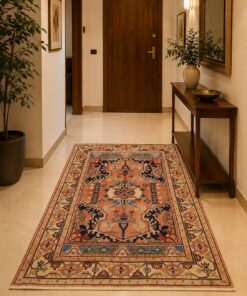
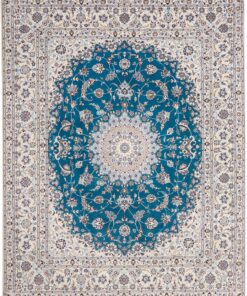
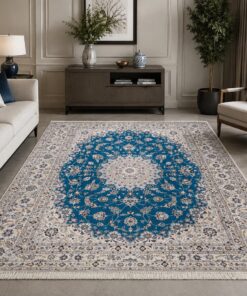
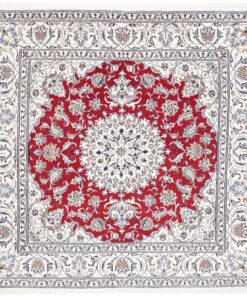
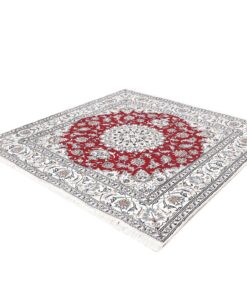
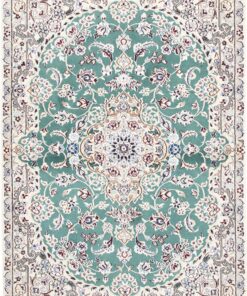
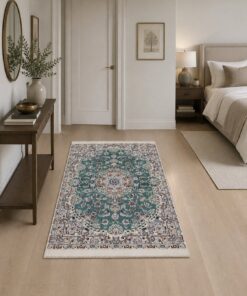
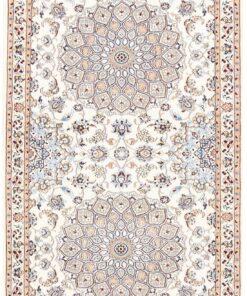
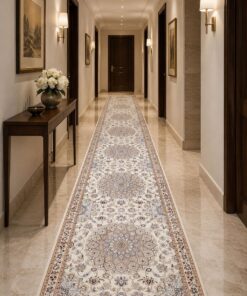
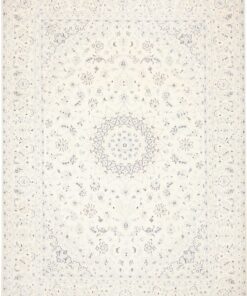
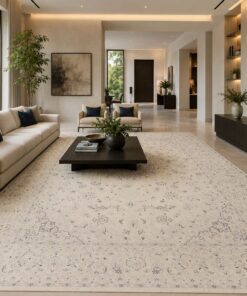
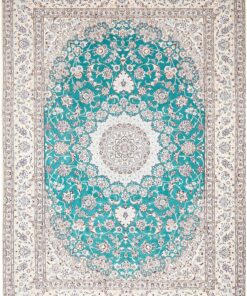
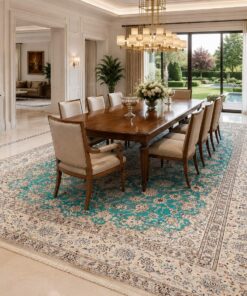
The wide variety of Persian and Oriental rugs makes it possible to find the perfect solution for many different interiors: from a small rug for the bedroom to a large rug for a spacious living room, from a refined wool and silk Nain to the traditional patterns of Kashan and Tabriz.
To make your search easier, you can explore our main collections:
By origin and type:
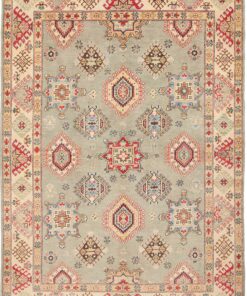
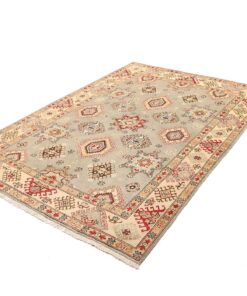
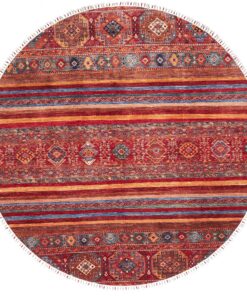
Nain Rugs – Tabriz Rugs – Kashan Rugs – Isfahan Rugs – Mashad Rugs – Qum Rugs – Kazak Rugs – Zigler Rugs – Gabbeh Rugs
Want to explore all our rugs? Scroll down and discover our complete selection of Persian and Oriental rugs.
Persian and Oriental Rugs: A Guide to History, Characteristics and Choosing the Right Rug
Persian and Oriental rugs represent one of the most fascinating expressions of textile art. Made according to traditions passed down through generations, they combine skilled craftsmanship, high-quality materials, intricate designs and an extraordinary variety of colours.
Every rug tells a story through its decorative motifs, knotting technique and region of origin. From refined Nain rugs and prestigious Tabriz rugs to classic Kashan rugs, elegant Isfahan rugs, and rugs originating from Afghanistan and the Caucasus, each type has its own distinctive characteristics.
At Tappeto.online, we offer a carefully selected range of Persian and Oriental rugs suitable for both classic interiors and modern, contemporary homes. In this guide, you can discover how these rugs are made, the main differences between the various types, and how to choose the perfect rug for your home.
History of Persian and Oriental Rugs
The tradition of hand-knotted rugs has ancient origins. In Persia, modern-day Iran, the art of rug weaving developed over the centuries and eventually became a highly sophisticated form of artistic expression.
Different cities and regions developed their own distinctive characteristics. Designs, colours, materials and knotting techniques can vary considerably from one area to another.
Centres such as Tabriz, Nain, Kashan, Isfahan, Mashad and Qum became renowned for producing rugs of exceptional quality. Alongside rugs produced in major weaving centres, there are also rugs made in villages and by nomadic communities, often characterised by more geometric and spontaneous patterns.
For this reason, the term “Persian rug” actually encompasses an extremely diverse family of rugs, each with its own distinctive identity.
Other regions of Asia have also developed important rug-making traditions. Afghanistan, the Caucasus, Turkey and Central Asia have produced Oriental rugs with characteristics that differ from Persian rugs, while sharing a strong emphasis on traditional craftsmanship and handwork.
How Persian Rugs Are Made
One of the most important aspects to consider when evaluating a Persian rug is its weaving and knotting technique.
In hand-knotted rugs, the foundation is prepared on a loom using vertical threads known as the warp. The weaver then ties thousands — and in particularly fine rugs, hundreds of thousands — of individual knots to create the pile and form the rug’s design.
Between the rows of knots, horizontal weft threads are inserted to strengthen and stabilise the structure.
Producing a hand-knotted rug can take several months, while particularly large, intricate or finely knotted examples may require considerably more time to complete.
Materials
The materials traditionally used in Persian and Oriental rugs include:
- Wool, durable, soft and particularly suitable for everyday use;
- Cotton, commonly used for the warp and weft foundation;
- Silk, used in finer rugs or to highlight specific details within the design;
- Wool and silk, a highly valued combination found in many high-quality Persian rugs.
However, the overall quality of a Persian rug does not depend solely on the number or density of knots. Other important factors include the quality of the wool or silk, the precision of the craftsmanship, the harmony and complexity of the design, the colours and the rug’s origin.